When diving into real estate, define escrow is one of the crucial terms you will encounter. In simple terms, escrow is a legal arrangement where a third party temporarily holds an asset or money until a specific condition is met.
Here’s a quick breakdown:
- Escrow: A neutral third party holds assets or money.
- Purpose: Ensure conditions are met before completion of transactions.
- Common Uses: Real estate deals, stock transactions, online sales.
Escrow is vital in real estate transactions. It ensures that both the buyer and seller fulfill their obligations. Funds or property are securely held by an escrow agent, preventing fraud and disputes. This process provides peace of mind and legal protection for all parties involved.
Picture a real estate transaction: You’re buying a home, and to make sure everything is fair and square, there’s an independent third party holding the funds and paperwork until both you and the seller meet the agreed conditions. This safety net is what escrow is all about.
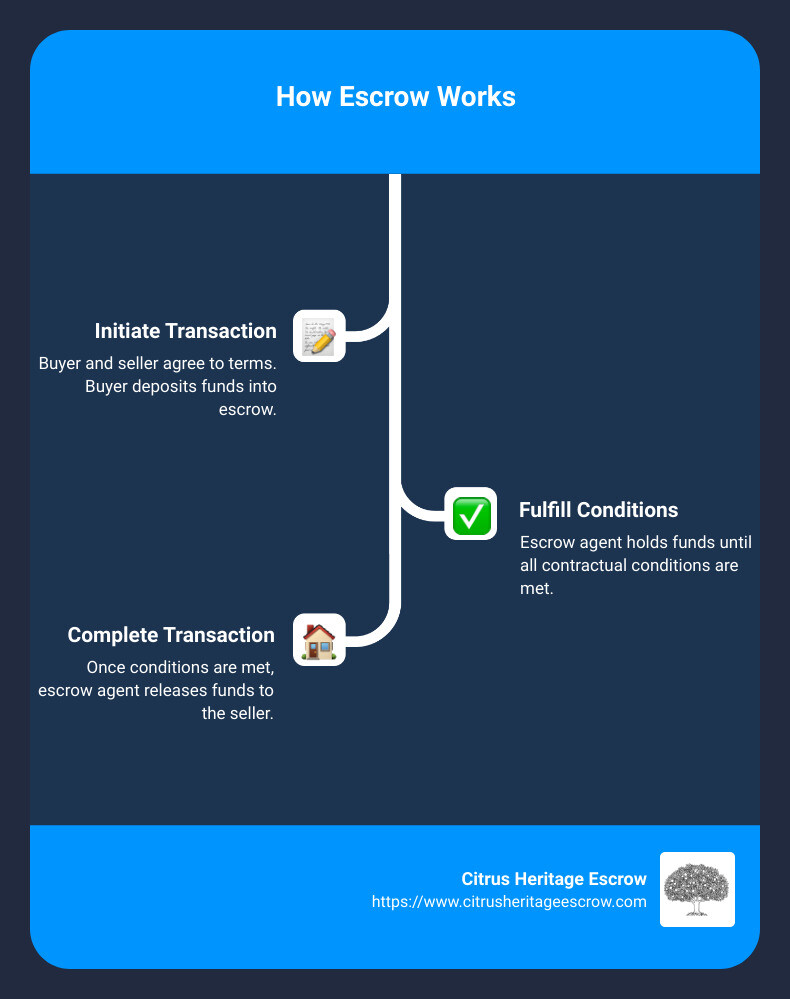
What Is Escrow?
Define Escrow
Escrow is a financial agreement where a neutral third party holds assets or funds temporarily until certain conditions are met. Think of it like a safety deposit box where neither the buyer nor the seller can access the contents until all the terms of the deal are satisfied.
An escrow agent manages the account and ensures that all contractual obligations are fulfilled before releasing the assets. This setup helps prevent fraud and disputes, offering peace of mind to everyone involved.
Types of Escrow
Escrow isn’t just for real estate; it applies to various transactions. Here are some common types:
Real Estate
In real estate, escrow ensures that both the buyer and seller meet their obligations. For instance, a buyer might deposit money into an escrow account while the seller completes necessary inspections. Once all conditions are met, the funds are transferred to the seller.
Stock Market
In the stock market, escrow can hold shares with restrictions. For example, company executives might receive stock as part of their compensation but can’t sell it immediately. The shares are held in escrow until the vesting period ends.
Online Sales
Online escrow services are becoming popular for high-value transactions like buying art or jewelry. The buyer deposits funds into an escrow account, and the seller ships the item. Once the buyer receives and approves the item, the funds are released to the seller.
Escrow provides a secure way to handle transactions, ensuring that both parties meet their obligations before any money or assets change hands. This makes it a versatile tool for various financial agreements.
How Does Escrow Work?
Escrow in Real Estate
In real estate, escrow is a crucial part of the home buying process. It ensures that both the buyer and seller are protected throughout the transaction. Here’s how it works:
When buying a home, the buyer typically makes a good faith deposit, also known as earnest money. This deposit shows the seller that the buyer is serious about purchasing the property. The money is placed into an escrow account, managed by a neutral third party called an escrow agent. The agent holds the funds until all conditions of the sale are met.
Sometimes, funds remain in escrow even after the sale is complete. This is known as an escrow holdback. For instance, if the seller needs to stay in the home for an extra month or there are outstanding bills, the money will stay in escrow until these conditions are resolved.
Escrow for Taxes and Insurance
After purchasing a home, your mortgage lender will set up an escrow account to manage your property taxes and homeowners insurance. Here’s how it works:
Each month, a portion of your mortgage payment goes into the escrow account. This amount covers your property taxes and homeowners insurance. When these bills are due, the lender uses the escrow funds to pay them on your behalf.
The amount required for escrow can change yearly based on your tax bills and insurance premiums. Lenders typically require a cushion of two months’ worth of payments to ensure there are enough funds in the account. This means your monthly mortgage payment will include:
- Principal and interest for the loan
- Property taxes
- Homeowners insurance
Lenders will annually review your escrow account to ensure the correct amounts are being collected. If there’s an overpayment, you’ll receive an escrow refund. If there’s a shortage, you may need to make a one-time payment or adjust your monthly payment to cover the difference.
Benefits of Escrow
Escrow accounts offer numerous benefits for all parties involved in a real estate transaction, including buyers, homeowners, and lenders. Let’s break down these benefits to understand why escrow is so valuable.
For Home Buyers
Deposit Protection: When you make a deposit on a home, it goes into an escrow account. This protects your money. If something goes wrong, like a failed inspection, the escrow company ensures your deposit is handled according to the agreement. This way, you can recover your money if the deal falls through.
Transaction Security: Escrow provides a secure way to handle large sums of money. You don’t have to worry about transferring thousands of dollars to a seller you barely know. The escrow company holds the funds until all conditions are met, giving you peace of mind.
For Homeowners
Manageable Payments: Escrow accounts make it easier to handle property taxes and homeowners insurance. Instead of paying these large bills once or twice a year, you make smaller, manageable payments each month. This helps spread out your expenses and makes budgeting easier.
Timely Bill Payments: Your mortgage servicer uses the escrow account to pay your property taxes and insurance premiums on time. This ensures you never miss a payment, avoiding late fees and potential issues like tax liens.
For Lenders
Tax Lien Prevention: Lenders are keen to avoid tax liens on properties they finance. If property taxes go unpaid, the tax authority can place a lien on the home, which is bad news for the lender. By using an escrow account, lenders ensure taxes are paid on time, protecting their investment.
Insurance Lapse Prevention: If homeowners insurance lapses, the property could be at risk. Damage or loss could significantly reduce the home’s value, affecting the lender’s collateral. Escrow accounts help ensure that insurance premiums are paid on time, keeping the property adequately insured.
Disadvantages of Escrow
While escrow accounts have many benefits, there are some downsides to consider.
Higher Monthly Mortgage Payments
One of the main disadvantages of having an escrow account is higher monthly mortgage payments. Your mortgage payment isn’t just principal and interest. It also includes a portion for property taxes and homeowners insurance. This makes your monthly bill higher than it would be without escrow. However, this setup helps you avoid paying a large lump sum when taxes and insurance are due.
Lower Escrow Estimates Than Actually Required
When you first move into your home, your property is reassessed for tax purposes. This can cause your property taxes to increase, especially if the home value has risen. Mortgage servicers estimate escrow payments based on the previous year’s bills. But they can’t always predict these increases.
If the estimate is too low, your escrow account may come up short. When this happens, you’ll need to pay the difference. Your monthly escrow payment will increase to cover the shortfall and prevent it from happening again.

Changes to Your Monthly Payment
Escrow accounts are reassessed each year. If your taxes or insurance premiums increase, your monthly payment will also go up. This annual reassessment helps ensure your escrow account has enough funds to cover future bills.
On the flip side, if your property taxes or insurance premiums decrease, your monthly payment may go down. You might even receive a refund if there’s excess money in your escrow account.
Here’s a quick summary:
- Higher Monthly Payments: Your mortgage payment includes principal, interest, property taxes, and insurance. This makes your monthly bill higher.
- Incorrect Estimates: Property tax reassessments and insurance premium changes can lead to escrow shortages.
- Payment Changes: Annual reassessments can increase or decrease your monthly payment based on updated estimates.
Frequently Asked Questions about Escrow
What Does Escrow Mean in Simple Terms?
Escrow is a financial agreement where a neutral third party holds money or property until certain conditions are met. Think of it as a holding tank that keeps funds safe until all the rules of a deal are satisfied. For example, in a home purchase, the buyer’s money is held in escrow until the house passes inspection and all paperwork is complete.
Why Would a Property Be in Escrow?
A property is in escrow to protect both the buyer and the seller. This ensures that the transaction is fair and that all conditions are met before the deal is finalized. For instance, a buyer might place money in escrow to show they are serious about purchasing a home. Meanwhile, the seller can be confident that the funds are available once all sales conditions are met, like passing a home inspection or securing financing.
Who Owns the Money in an Escrow Account?
The money in an escrow account technically belongs to the buyer, but it is held by a neutral third party until certain conditions are met. This is known as a conditional transfer. Once all the conditions in the escrow agreement are fulfilled, the funds are released to the seller. If the conditions are not met, the money is usually returned to the buyer, depending on the specific terms of the agreement.
In summary, escrow acts as a safety net for all parties involved in a transaction, ensuring that everyone fulfills their part of the deal before any money or property changes hands.