The escrow process can feel like a maze of paperwork, deadlines, and unfamiliar terminology—but it doesn’t have to be overwhelming. Whether you’re buying your first home, selling a property, or navigating a more complex real estate transaction, understanding how escrow works is essential for protecting your investment and ensuring a smooth closing. At its core, escrow is designed to create a neutral holding space for funds and documents until all parties meet the agreed-upon conditions. It acts as a safeguard for both buyers and sellers, helping to minimize risk and prevent fraud. However, without a clear understanding of the steps involved, it’s easy to become frustrated or make costly missteps. With the right information, proactive communication, and a trusted team of professionals, you can approach the escrow process with clarity, confidence, and peace of mind.
Here’s what the escrow process involves:
• Opening escrow – Earnest money (typically 1-2% of purchase price) is deposited into a neutral account
• Due diligence period – Appraisals, inspections, and title searches are completed
• Contingency removal – Buyers approve disclosures and remove financing/inspection contingencies
• Final preparations – Insurance is secured, final walkthrough conducted, documents prepared
• Close of escrow – All parties sign, funds are disbursed, and title transfers to the buyer
The process typically takes 30-60 days from offer acceptance to close of escrow, though timelines can vary based on loan type and contract terms.
For busy real estate professionals, understanding escrow isn’t just helpful—it’s essential. When you know how each phase works, you can better guide your clients, anticipate potential delays, and ensure smoother closings. This means fewer panicked phone calls, happier clients, and more time to focus on what you do best: building relationships and closing deals.
Two types of escrow will impact your clients: the purchase escrow (holding earnest money during the transaction) and the ongoing mortgage escrow account (collecting monthly payments for property taxes and insurance). Both serve as protective cushions, but they work very differently.
Why this guide matters
A stress-free closing doesn’t happen by accident—it’s the result of understanding each phase of the escrow process and preparing accordingly. When you know what to expect, you can help your clients avoid common mistakes that cost time and money. Most importantly, you’ll protect your clients’ earnest money deposits and ensure their transactions close on schedule.
Escrow process explained: What Is Escrow and Why It Matters
Picture this: you’re buying your dream home, but you need to hand over thousands of dollars before you actually own it. Sounds scary, right? That’s where escrow process explained becomes your safety net—it’s like having a trusted referee hold everyone’s valuables until the game is officially over.
Escrow is simply a neutral third party that temporarily holds money, documents, and property until all conditions of your real estate transaction are met. Think of it as a secure vault that only opens when everyone has done exactly what they promised to do.
The first time most buyers encounter escrow is through their earnest money deposit. This good-faith payment, typically 1-2% of the home’s purchase price, shows sellers you’re serious about buying their home. Instead of handing this money directly to the seller (which would be risky for obvious reasons), it goes into a neutral escrow account where it stays safe.
Here’s why escrow matters so much: It protects buyers by ensuring their deposit is safe if the transaction falls through due to seller issues. It also protects sellers by holding funds that can be forfeited if buyers back out without valid contingencies. Most importantly, it provides a neutral party to coordinate the complex closing process and ensures all contract terms are met before money changes hands.
Your lender will likely require escrow for certain situations. Homebuyers with down payments less than 20% typically must establish escrow accounts for property taxes and insurance. FHA loans require escrow accounts regardless of down payment size, while VA loans don’t legally require them (though individual lenders may still insist on them).
Understanding different types of escrow helps you steer the process with confidence. There’s purchase escrow, which handles your current transaction, and mortgage escrow, which manages your ongoing tax and insurance payments after you move in.
For more detailed information about how escrow protects homebuyers, check out our comprehensive guide: Escrow Explained: What Home Buyers Need to Know.
Escrow process explained vs. table closing
Where you live determines how your closing unfolds. Regional practices vary dramatically across the United States, and understanding these differences helps set proper expectations.
In many western states, including California, escrow companies handle the closing process. You might never meet the seller face-to-face, and everything happens through careful coordination by your escrow officer. It’s efficient and protects everyone’s privacy.
Attorney states versus escrow states create completely different experiences. In the 22 states requiring attorneys at closing, you’ll likely attend a formal “table closing” where all parties meet in person. The attorney facilitates the transaction, reviews documents, and ensures everything is legally sound.
Timeline variance also differs by region. Attorney states may complete transactions faster due to direct communication and immediate problem-solving. Escrow states might take longer but offer more protection through detailed documentation and neutral oversight—think of it as the difference between a quick handshake deal and a carefully orchestrated symphony.
Main types of escrow accounts
Purchase escrow is your temporary safety net during the buying process. This account holds your earnest money and coordinates all the moving pieces of your closing. Once you get your keys, this account closes forever—its job is done.
Mortgage escrow is the ongoing account that becomes part of your monthly life as a homeowner. Your mortgage servicer collects extra money each month for property taxes, homeowners insurance, and sometimes mortgage insurance. When these bills come due annually, the servicer pays them on your behalf. It’s like having an automatic savings account for your biggest homeownership expenses.
Escrow holdbacks solve problems that can’t wait for a perfect solution. Let’s say the seller agrees to fix the leaky roof after closing—funds can be held in escrow until the work is completed. This keeps your transaction on track while protecting your interests.
FHA impound accounts are required for all FHA borrowers, no exceptions. These accounts collect monthly payments for property taxes, homeowners insurance, and mortgage insurance premiums. Your lender calculates annual costs, divides by 12, and adds this amount to your monthly mortgage payment.
PMI payments through escrow work the same way when private mortgage insurance is required. Instead of worrying about annual premium payments, your escrow servicer handles everything automatically, keeping your mortgage in good standing.
Step-by-Step Timeline: From Offer to Close of Escrow

Once your offer is accepted, the escrow process explained becomes a carefully choreographed dance that typically takes 30 to 60 days. Think of it as a detailed checklist where each step builds on the previous one, creating a smooth path to homeownership.
The journey begins immediately after offer acceptance when escrow opens and your earnest money deposit (usually 1-2% of the purchase price) finds its safe haven in a neutral account. Within the first few days, the title company starts digging into the property’s history while escrow officers prepare detailed instructions based on your purchase agreement.
During the first two weeks, things get busy. Your lender orders an appraisal to confirm the home’s value matches your loan amount, while you schedule a professional home inspection to uncover any hidden surprises. Meanwhile, the seller gathers required disclosures about the property’s condition and history.
The middle phase brings some of the most critical decisions. Your appraisal results determine whether the home’s value supports your purchase price, while inspection reports reveal the property’s true condition. This is when negotiations often happen—you might request repairs, ask for credits, or even renegotiate the price based on what’s finded.
Contingency removal marks a major milestone around day 21. Once you remove inspection and appraisal contingencies, you’re demonstrating serious commitment to move forward. Your earnest money becomes more at risk, but you’re also much closer to holding those keys.
The final stretch focuses on dotting every i and crossing every t. You’ll secure homeowners insurance, conduct a final walkthrough to ensure the property is in the agreed-upon condition, and review your closing disclosure at least three business days before signing.
Close of escrow happens when all documents are signed, funds are disbursed to the right parties, and the deed gets recorded with the county. Only then do you officially become a homeowner and receive your keys.
Opening escrow & depositing earnest money
Your good-faith deposit shows sellers you’re serious about buying their home. While 1-2% of the purchase price is typical, competitive markets sometimes call for larger deposits to strengthen your offer. Just remember—bigger deposits mean more money at risk if things don’t work out.
Wiring safety deserves your full attention during this phase. Before sending any money, always call the escrow company directly to verify wiring instructions. Email instructions can be hacked by fraudsters who redirect your funds to their own accounts—a devastating loss that’s nearly impossible to recover.
The escrow officer creates detailed escrow instructions based on your purchase agreement and lender requirements. These instructions spell out every single condition that must be met before the transaction can close. Everyone involved must understand and agree to these terms, so don’t hesitate to ask questions if anything seems unclear.
Funding deadlines aren’t suggestions—they’re strict requirements. You typically have 3 to 5 business days to deposit your earnest money after opening escrow. Missing this deadline can void your purchase agreement and cost you the home you wanted.
Appraisal, inspections & disclosures phase
The lender appraisal protects both you and your lender by confirming the home’s value supports your loan amount. If the appraisal comes in lower than your offer price, you’ll need to either renegotiate, bring extra cash to closing, or potentially walk away from the deal.
Home inspections are technically optional, but skipping them is like buying a car without looking under the hood. Professional inspectors evaluate everything from the foundation to the roof, identifying potential problems that could cost thousands later. Even in competitive markets, most real estate professionals strongly advise against waiving inspections.
Negotiations naturally follow inspection reports. You might request specific repairs, ask for credits to handle issues yourself, or seek a price reduction based on finded problems. Sellers can agree, make a counter-offer, or refuse your requests—which could lead to canceling the transaction if you can’t reach an agreement.
Contingency removal represents a point of no return. Once you remove inspection and appraisal contingencies, your earnest money becomes at risk if you decide to cancel for reasons not covered by your remaining contingencies, such as financing issues.
Final walkthrough, signing and recording
Your closing disclosure must be in your hands at least three business days before signing final documents. This detailed breakdown shows all your final costs and should closely match the loan estimate you received when applying. Any significant changes deserve explanation and possibly delay the closing.
The settlement statement provides the complete financial picture for both you and the seller. Every credit, debit, and proration appears here, ensuring everyone understands exactly where their money is going. Take time to review this carefully—it’s your last chance to catch any errors.
Your walkthrough checklist helps verify the property hasn’t changed since your inspection. Test all the faucets, flip every light switch, and check for any new damage. Confirm that any agreed-upon repairs were completed properly and that the seller hasn’t removed anything that was supposed to stay with the house.
Keys exchange happens only after every document is signed, all funds are properly disbursed, and the deed is officially recorded with the county. This final step makes you the legal owner and marks the successful close of escrow. Congratulations—you’re officially a homeowner!
Life After Closing: Managing Your Mortgage Escrow
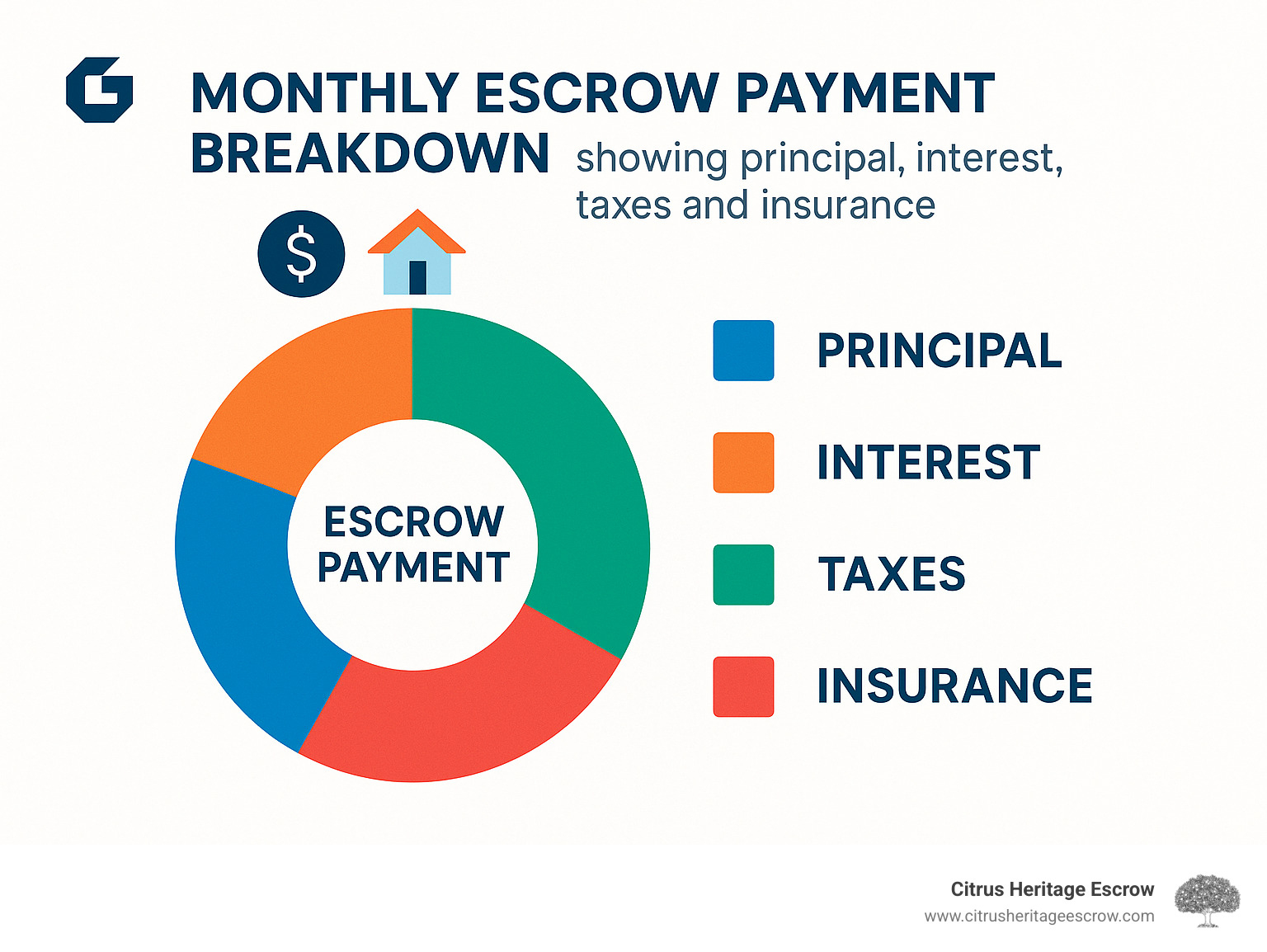
Congratulations—you’ve closed on your home! But if you’re like most homeowners, your relationship with escrow is just beginning. Monthly payments to your mortgage escrow account will become as routine as your morning coffee, automatically collecting funds for property taxes and homeowners insurance throughout the year.
Your lender calculates these monthly escrow payments by taking your annual property tax and insurance costs and dividing by 12. But here’s where it gets interesting—they also add a two-month cushion to cover potential cost increases. This means your initial escrow deposit might feel surprisingly high, but it’s designed to protect you from scrambling to cover unexpected bills.
Think of your tax and insurance escrow account as your financial autopilot. Instead of setting aside money each month and remembering to pay large annual bills, your mortgage servicer handles everything. They track due dates, mail payments, and ensure you never face late penalties or insurance lapses. It’s one less thing to worry about in your busy life.
Every year, your servicer performs an annual analysis that’s required by federal law. They’ll compare what you actually paid in taxes and insurance against what was collected in your escrow account. This yearly review determines whether you’ll face a surplus, shortage, or if everything balanced out perfectly.
Surpluses and shortages are completely normal as property values change and insurance rates fluctuate. If you have a surplus over $50, you’ll receive a refund check—think of it as a nice surprise. If there’s a shortage, you can usually spread the difference over 12 months with a slightly higher monthly payment.
Some homeowners wonder about escrow waivers once they’ve built substantial equity. If you have excellent financial discipline and prefer controlling your own tax and insurance payments, this might be an option worth exploring.
Force-placed insurance is something you definitely want to avoid. If your homeowners insurance lapses and your lender has to purchase emergency coverage, it’ll cost significantly more than a policy you choose yourself. Your escrow account helps prevent this expensive scenario.
Escrow shortages, surpluses and re-analysis
Your escrow statement arrives once a year like clockwork, and while it might not be as exciting as a holiday card, it contains important information about your money. This detailed breakdown shows every deposit you made, every payment your servicer made on your behalf, and any adjustments needed for the coming year.
When you receive a refund check from an escrow surplus, it means your property taxes or insurance costs were lower than expected. Any surplus over $50 gets returned to you, while smaller amounts typically stay in your account to reduce next year’s monthly payments. It’s like finding money in your pocket—except it was always yours to begin with.
Payment increases from escrow shortages might sting a little, but they’re usually manageable. Rising property taxes or insurance premiums create these shortages, and you’ll typically have options for handling them. You can pay the shortage as a lump sum if you have the cash available, or spread it over 12 months with a higher monthly payment.
Smart homeowners have options for managing escrow changes beyond just accepting them. You might shop around for better insurance rates, appeal an unusually high property tax assessment, or explore whether you qualify for an escrow waiver. Taking an active role in managing these costs can save money over time.
Can you cancel or waive escrow?
The magic number for escrow freedom is typically 20% equity in your home. Once you reach this threshold with a conventional loan, you can often choose to manage property tax and insurance payments yourself rather than through your mortgage servicer.
Conventional loans offer the most flexibility when it comes to escrow waivers. If you have good payment history, adequate equity, and can demonstrate financial responsibility, many lenders will allow you to take control of these payments. It’s like graduating from training wheels—you get more control but also more responsibility.
Unfortunately, FHA loan rules don’t offer this flexibility. All FHA borrowers must maintain escrow accounts regardless of how much equity they build or how perfect their payment history becomes. It’s simply part of the program requirements.
Disciplined savers who enjoy managing their finances might love the control that comes with waiving escrow. You can earn interest on the money you’re setting aside and have more flexibility in when and how you pay bills. However, if you’re someone who struggles with saving or prefers the “set it and forget it” approach, escrow accounts remove the temptation to spend money earmarked for taxes and insurance.
The pros and cons of escrow waivers boil down to control versus convenience. You’ll gain control over your funds and potentially earn interest, but you’ll also risk facing penalties if you forget to pay bills or don’t save enough throughout the year. Consider your financial habits honestly before making this decision.
Fees, Holdbacks & Common Pitfalls—And How to Protect Yourself

Nobody likes surprises when it comes to closing costs, but understanding what you’ll pay upfront helps you budget properly and avoid last-minute stress. The escrow process explained includes various fees that protect your investment, though they can feel overwhelming at first glance.
Escrow fees typically run 1-2% of your home’s purchase price and cover the neutral third-party service that keeps your transaction safe. Think of it as insurance for one of the biggest purchases you’ll ever make. In most areas, buyers and sellers split these costs, though local customs and negotiations can shift who pays what.
The fee breakdown often surprises first-time buyers. Buyers usually handle loan-related escrow services, while sellers typically cover title insurance and transfer fees. In California, these arrangements are often negotiated as part of the purchase agreement, giving you some flexibility to work out what makes sense for your situation.
Holdbacks become necessary when sellers can’t complete everything before closing. Maybe the contractor is running behind on repairs, or the seller needs a few extra days to move out. Rather than delaying the entire closing, funds are held in escrow until the work is finished or the property is vacated. This protects you while keeping the transaction moving forward.
Rent-back agreements allow sellers to stay in the home after closing, with money held in escrow to cover any potential issues. These arrangements require careful documentation, but they can make the difference between a successful closing and a cancelled transaction when sellers need extra time.
Lien clearance problems can pop up unexpectedly during title searches. An unpaid contractor bill from three years ago or a forgotten homeowners association fee can suddenly threaten your closing. The good news is that most lien issues can be resolved quickly once they’re identified, though they may require extra time and coordination.
Here’s the scary part: wire fraud has become incredibly sophisticated. Criminals intercept email communications and send fake wiring instructions that look completely legitimate. We’ve seen buyers lose their entire down payment by wiring money to fraudulent accounts. Always verify wiring instructions by calling the escrow company directly using a phone number from their official website—never trust email alone.
Escrow holdbacks and post-closing repairs
Sometimes the timing just doesn’t work out perfectly. Incomplete work at closing doesn’t have to kill your transaction if you handle it properly through escrow holdbacks. This arrangement lets you close on schedule while protecting your interests through funds that won’t be released until the work meets your approval.
Lender repair escrow accounts come into play with certain loan types, particularly when properties need work to meet lending standards. FHA 203(k) loans actually build repair escrow into the loan structure, allowing you to finance both the purchase and necessary improvements.
The key to successful holdbacks lies in clearly defined release conditions. Vague agreements like “complete the repairs” lead to disputes. Instead, specify exactly what work must be done, who will inspect it, and when it must be finished. This protects everyone involved and prevents arguments down the road.
Avoiding delays and fraud in escrow
Secure wiring practices aren’t optional in today’s environment—they’re essential. The criminals are getting smarter, and their fake emails look increasingly legitimate. Develop a habit of calling the escrow company directly every single time you need to wire funds. Yes, it takes an extra few minutes, but it could save you tens of thousands of dollars.
Prompt document submission keeps your transaction humming along smoothly. When your escrow officer requests bank statements, insurance documents, or inspection reports, get them submitted quickly. Delays in paperwork submission are one of the most common causes of extended closing dates.
Title issues require immediate attention when they surface. Don’t assume someone else will handle them or that they’ll resolve themselves. Whether it’s an old lien, an easement problem, or an ownership dispute, these issues need prompt resolution to keep your closing on track.
Clear communication among everyone involved—you, your agent, your lender, and your escrow officer—prevents the small misunderstandings that can snowball into major problems. When in doubt, pick up the phone and ask questions. A quick conversation often prevents days of confusion and delay.
Escrow 101 FAQs
Is escrow required for every buyer?
The short answer? It depends on your loan type and how much you’re putting down. Loan type makes a huge difference here. If you’re getting an FHA or USDA loan, escrow accounts are mandatory—no exceptions, regardless of your down payment. VA loans are a bit more flexible legally, but many lenders still require escrow accounts anyway.
Down payment thresholds become important with conventional loans. Put down less than 20%, and you’ll almost certainly need an escrow account for taxes and insurance. But if you’ve got that magical 20% or more in equity, you might be able to skip escrow and handle these payments yourself.
Here’s where it gets interesting: lender policies can be stricter than what the law requires. Some lenders want escrow accounts for everyone, while others are happy to waive them for borrowers with strong credit and substantial equity. It’s always worth asking your lender about your options.
How are property taxes and insurance paid through escrow?
Monthly collection is beautifully simple. We take your annual property tax and insurance costs, divide by 12, and add that amount to your mortgage payment. So if your yearly taxes are $3,600 and insurance runs $1,200, you’ll pay an extra $400 monthly ($4,800 total divided by 12 months).
The best part? Annual bills become someone else’s responsibility. Your mortgage servicer watches all the due dates like a hawk and pays everything on time from your escrow account. No more sticky notes on the calendar or panic when you realize the insurance bill is due tomorrow.
Escrow account payments get reviewed every year because, let’s face it, costs change. Property taxes might go up after a reassessment, or you might find better insurance rates. When this happens, your monthly payment adjusts accordingly. If you’ve overpaid, you’ll get a refund check. If there’s a shortage, you can either pay it as a lump sum or spread the difference over the next 12 months.
Our Role at Citrus Heritage Escrow
At Citrus Heritage Escrow, we’ve guided countless families through this process in Riverside, the Inland Empire, and throughout Southern California. Our licensed and insured escrow officers understand that buying or selling a home represents much more than a financial transaction—it’s about new beginnings, growing families, and achieving dreams.
What sets experienced escrow professionals apart is their ability to anticipate potential issues before they become problems. We stay current with changing laws and lending requirements, communicate clearly with all parties, and maintain the detailed focus needed to ensure your closing happens on schedule. When complications arise—and they sometimes do—having knowledgeable advocates in your corner makes all the difference.
Your next steps should focus on choosing professionals you trust and staying engaged throughout the process. Don’t hesitate to ask questions when something seems unclear. Escrow exists to protect you, not complicate your life. The temporary inconvenience of gathering documents and meeting deadlines pays off with the security of knowing your transaction is handled properly.
For those approaching the final stages of their real estate transaction, our comprehensive resource provides additional insights: The Close of Escrow Process: Everything You Need to Know.
Whether you’re buying your first home or your fifth, the excitement of new keys should outweigh any anxiety about the closing process. With proper understanding and trusted professionals managing the details, you can focus on planning your move and imagining life in your new space. After all, that’s what really matters.